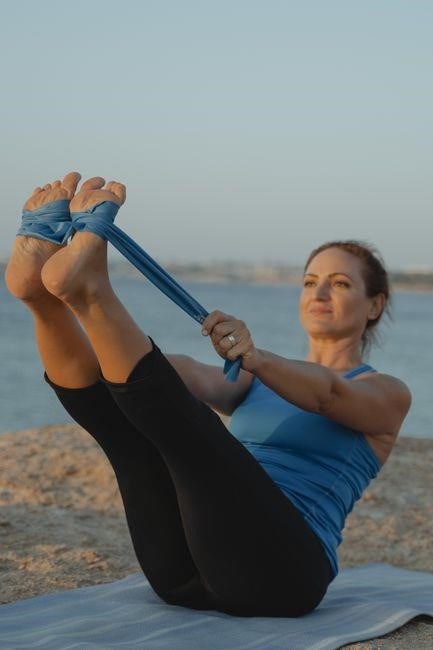
Resistance band core training blends elastic tension with movement‚ offering a portable‚ way to strengthen the abdominals‚ obliques‚ and lower back․ By anchoring the band to a stable point‚ you can perform twists‚ planks‚ and resisted crunches that target deep core muscles while improving stability and posture!!!!!

Benefits of Core Work with Resistance Bands
Resistance bands add variable resistance that increases as the band stretches‚ allowing core muscles to work through a full range of motion․ This dynamic tension improves muscular endurance‚ stabilizer strength‚ and functional movement patterns․ By incorporating bands into planks‚ twists‚ and resisted crunches‚ you target deep abdominal and oblique fibers that are often neglected in free‑weight routines․ The elastic load trains the core to resist both internal and external forces‚ enhancing spinal stability and reducing injury risk during daily activities․ Additionally‚ bands are lightweight‚ portable‚ and inexpensive‚ making them ideal for home‚ travel‚ or clinical settings․ They can be adjusted to match individual strength levels‚ providing progressive overload without the need for heavy equipment․ Finally‚ band‑based core exercises promote joint‑friendly movement‚ as the resistance is gradual and less jarring than free weights‚ which is beneficial for people with lower back pain or rehabilitation needs․ Incorporating resistance bands into core workouts also enhances proprioception‚ allowing you to feel the subtle shifts in muscle activation and adjust posture in real time․ This feedback loop is especially valuable for athletes seeking to refine their core stability during sport-specific movements‚ as well as for individuals recovering from lower back injuries who require controlled‚ low-impact resistance․ Moreover‚ the versatility of bands means you can perform exercises in a variety of positions—standing‚ kneeling‚ or lying—making it easier to integrate core training into daily routines and daily now!!․
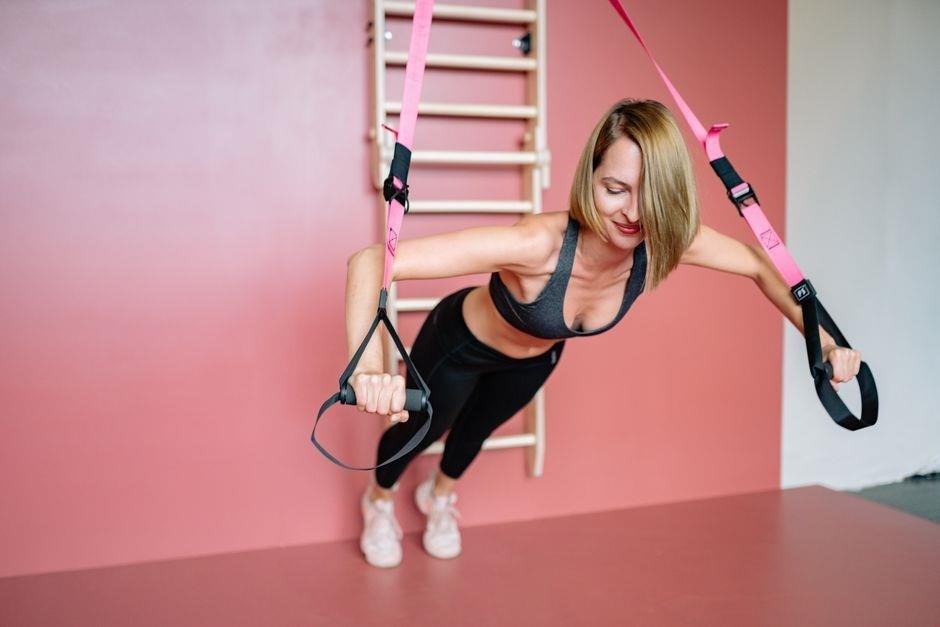
Choosing the Right Resistance Band
Selecting the appropriate resistance band is crucial for effective core training․ Bands come in varying widths‚ lengths‚ and resistance levels—light‚ medium‚ heavy‚ and extra‑heavy․ A light band is ideal for beginners or rehabilitation‚ providing gentle tension that still engages deep core muscles․ Medium bands suit intermediate users‚ offering enough resistance to challenge the abdominals without compromising form․ Heavy and extra‑heavy bands are best for advanced athletes who need significant overload to stimulate strength and hypertrophy․ The width of the band also matters; thicker bands deliver more resistance at the same stretch‚ while thinner bands allow for longer‚ more controlled movements․ When choosing a band‚ consider the length: a longer band offers a greater range of motion‚ which is useful for exercises like standing knee tucks or band‑resisted Pallof presses‚ whereas a shorter band is more suitable for seated or lying core moves․ Look for durable‚ latex‑free materials that resist fraying and provide consistent tension․ Many manufacturers provide color‑coded bands that correspond to specific resistance levels‚ making it easier to track progression․ Finally‚ ensure the band’s anchor points—such as loops or hooks—are secure and compatible with your training environment‚ whether you’re working at home‚ in a gym‚ or outdoors․ Proper selection of band type‚ width‚ and length will maximize safety‚ effectiveness‚ and enjoyment of your core routine․ With consistent practice‚ you’ll notice stability‚ posture‚ increased confidence everyday daily movements․!!
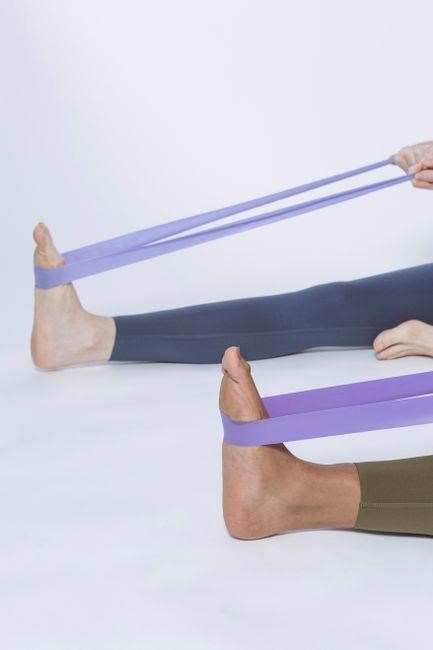
Essential Core Exercises for PDF Guides
Core workouts with bands target deep stabilizers‚ improve posture‚ and enhance functional strength․ A balanced routine blends twists‚ holds‚ and resisted lifts‚ all adaptable any skill level․ Consistency builds core resilience and supports daily movement․ Engage the core by maintaining a spine and breathing steadily․
Standing Knee Tucks
Standing knee tucks with a resistance band are a dynamic core exercise that engages the rectus abdominis‚ obliques‚ and hip flexors while challenging stability․ Anchor the band to a sturdy door frame or post at waist height‚ then step back until the band is taut․ Hold the band’s handles with both hands‚ keeping your back straight and shoulders relaxed․ From a neutral standing position‚ bend your knees and bring one foot toward your chest‚ pulling the band as you contract your core․ Alternate legs in a controlled‚ rhythmic motion‚ ensuring each tuck is performed with a deliberate‚ slow exhale and a steady inhale on the return․ This movement trains the core to maintain balance against the external resistance‚ improving functional strength for activities such as walking‚ running‚ and lifting․ To increase difficulty‚ add a second band for extra tension‚ or perform the tuck while stepping sideways to engage the obliques further․ For beginners‚ start with a light band and a slower tempo‚ gradually progressing to a thicker band and faster cadence as core stability improves․ Remember to keep your hips level and avoid leaning forward or backward‚ as this can reduce the effectiveness of the exercise and increase the risk of strain․ Incorporate standing knee tucks into your routine 2–3 times per week for a balanced core workout that complements other resistance band exercises․ Consistency and progressive overload ensure lasting core strength‚ while proper form prevents injury and maximizes benefits․ By integrating these exercises into a weekly plan‚ you’ll build a resilient core that supports everyday movements and athletic performance․ Stay fit․!
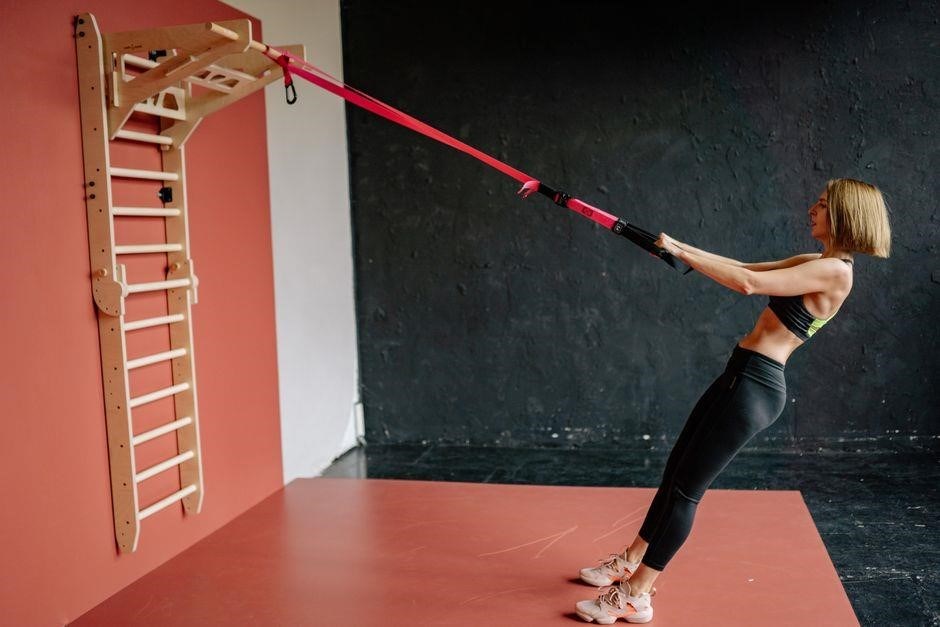
Bicycle Crunches
Incorporating a resistance band into bicycle crunches transforms a classic abdominal move into a high‑intensity challenge․ Anchor the band to a stable post or door frame at waist height‚ loop the other end around your feet‚ and stand with your feet shoulder‑width apart․ Begin in a neutral position‚ then lift one knee toward your chest while twisting the torso to bring the opposite elbow toward the bent knee․ The band’s tension resists the motion‚ forcing the rectus abdominis‚ obliques‚ and hip flexors to work harder to stabilize the spine and pelvis․ Maintain a controlled tempo—exhale as you rotate‚ inhale on the return—while keeping the lower back pressed to the floor to avoid lumbar strain․ For beginners‚ start with a light‑resistance band and a slower cadence‚ focusing on form before adding intensity․ Intermediate lifters can increase band thickness or add a second loop for double resistance‚ amplifying the challenge on the obliques and improving rotational strength․ Consistency is key; aim for 3 sets of 12–15 reps per side‚ 2–3 times per week‚ to build endurance and core stability․ This exercise targets the abs‚ glutes‚ and lower back‚ ideal for athletes seeking functional core strength․ Remember to breathe evenly‚ avoid pulling on the neck‚ and keep the movement smooth to maximize benefits and reduce injury risk․ By integrating band‑resisted bicycle crunches into your routine‚ you’ll develop a resilient core capable of supporting dynamic activities and everyday tasks alike․ Practice and watch your core transform!! core will feel stronger!!
To further challenge the core‚ perform the exercise while holding a light medicine ball or dumbbell in the opposite hand‚ adding an extra load to the rotating motion․ This variation increases the demand on the stabilizing muscles and improves unilateral strength․ Additionally‚ integrating a pause at the peak of each rotation allows for isometric contraction‚ enhancing muscular endurance․ For those seeking a low‑impact option‚ perform the movement seated on a bench with the band looped around the ankles‚ which reduces the load on the lower back while still engaging the core․ Always monitor your form; a slight forward lean or excessive arching can compromise spinal integrity․ Use a mirror or record yourself to ensure the shoulders remain relaxed and the hips stay stable․ Consistent practice of band‑resisted bicycle crunches strengthens the deep core musculature‚ improves posture‚ and supports athletic performance across sports that demand rotational power and trunk stability․
Side Planks with Band
Side planks with a resistance band intensify the classic core exercise by adding dynamic tension that engages obliques‚ transverse abdominis‚ and gluteus medius․ Anchor a light‑to‑medium band to a stable post or door frame at hip height‚ loop the free end around the ankles of the lower leg‚ and lie on your side with shoulders stacked and hips lifted․ The band’s resistance forces the upper body to resist lateral sway‚ compelling the core to contract eccentrically as you lift the hips․ Hold for 20–30 seconds per side‚ breathing steadily․ Beginners can use a thinner band and focus on maintaining a straight line from head to feet; advanced users may increase band thickness or add a second loop around the knees to amplify load․ This variation targets deep stabilizers often neglected in flat planks‚ improving rotational control and preventing lower‑back strain․ Incorporate side planks with band into a circuit: perform 3 sets on each side‚ alternating with a 30‑second rest․ To progress‚ extend hold time‚ add a hip‑abduction lift‚ or transition to a dynamic side plank where you alternate lifting the top leg․ Consistent practice builds a strong lateral core‚ supports functional movements‚ reduces injury risk‚ and enhances overall athletic performance․
This exercise can be modified in many ways․ For example‚ elevate the top foot to increase load‚ or use a weighted vest for added challenge․ Adding a breath hold at the apex improves static strength․ Keep band tension steady to maximize effectiveness․ Integrating side planks with band into your routine builds a strong lateral core‚ supports functional movements‚ reduces injury risk‚ and improves performance․
Band-Resisted Pallof Press
Band‑resisted Pallof press is a core‑stabilization exercise that uses a looped resistance band anchored to a stationary point․ Stand perpendicular to the anchor‚ hold the band’s free end with both hands at chest height‚ and extend the arms straight ahead․ The band’s tension forces the torso to resist rotation‚ engaging the transverse abdominis‚ obliques‚ and erector spinae․ Begin with a light‑to‑medium band to master form: keep hips square‚ shoulders down‚ and knees slightly bent․ Hold the extended position for 3–5 seconds‚ then slowly return to the neutral stance․ Perform 8–12 repetitions per side‚ alternating after each set․ This exercise improves anti‑rotational strength‚ essential for athletes who perform cutting movements‚ and for everyday tasks that involve twisting․ Progression comes by increasing band resistance‚ adding a pause at the apex‚ or incorporating a slight hip lift to engage the glutes․ For advanced practitioners‚ a second band loop can be added around the ankles to amplify load․ The Pallof press also trains the core’s ability to maintain stability under external load‚ reducing lower‑back strain during heavy lifts or dynamic sports․ Consistency in this movement enhances core endurance‚ improves posture‚ and supports functional performance across a wide range of activities․
Additional guidance: to further challenge the core‚ incorporate a pause at the apex of each press‚ hold for two seconds‚ then release slowly․ Alternatively‚ perform the press while standing on an unstable surface increase demand․ Remember to keep the shoulders engaged so avoid letting the hips sag․
Reverse Crunches with Band
Reverse crunches with a resistance band transform a familiar core movement into a dynamic‚ tension‑based exercise that targets the lower abdominals‚ hip flexors‚ and obliques with greater precision․ Anchor the band to a stable point behind you‚ loop the free end around each ankle‚ and lie flat on your back with knees bent at 90 degrees and feet hovering above the floor․ Engage the core‚ lift the hips off the ground‚ and draw the knees toward the chest while resisting the band’s pull; the elastic tension forces the pelvis to rotate‚ thereby increasing load on the lower abs and improving hip‑knee coordination․ Begin with a light‑to‑medium band to master form: keep shoulders relaxed‚ lower back pressed to the floor‚ and avoid using momentum or swinging the legs․ Perform 10–15 controlled repetitions‚ then switch legs or add a brief pause at the apex to amplify difficulty․ Progression is achieved by increasing band resistance‚ extending the leg lift‚ or incorporating a small medicine ball between the feet for added load․ For advanced practitioners‚ a second band loop can be added around the thighs to further challenge the obliques during the lift․ This exercise is ideal for athletes who require core stability during dynamic movements‚ for individuals seeking to strengthen the lower abdominal region without excessive spinal loading‚ and for anyone looking to improve hip‑flexor endurance․ Consistent practice enhances core endurance‚ supports spinal health‚ and translates to better performance in sports‚ daily activities‚ and overall functional movement․ Remember to breathe steadily‚ exhale on the lift‚ and inhale on the return‚ maintaining a neutral spine throughout․ Avoid pulling the band too hard at the start‚ which can strain the lower back; instead‚ focus on a slow‚ controlled motion that engages the core throughout the range of motion․ Incorporating reverse crunches with band into a balanced core routine can yield noticeable improvements in abdominal strength‚ posture‚ and injury prevention over time․ It also engages the transverse abdominis giving a stable base for protection during heavy lifts․ Adding this exercise to a weekly routine can improve core strength and reduce lower back discomfort daily․ Remember to keep the band tension consistent and breathe steadily throughout the lift for max benefit․
Sample 15-Minute Core Routine
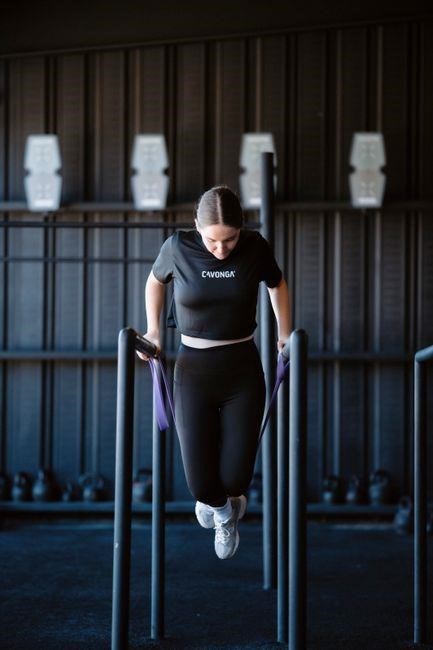
Begin with a 30‑second warm‑up: march in place‚ arms swinging‚ and torso twists to activate the core․ This primes the muscles for the upcoming band‑based work and reduces injury risk․ Next‚ secure a light‑to‑medium resistance band to a sturdy door frame or anchor point behind you․ Position feet shoulder‑width apart‚ knees bent‚ and grip the band handles neutrally․
Perform 12 standing knee tucks: hold the band‚ lift one knee toward the chest‚ then alternate legs in tempo․ This recruits obliques and hip flexors while the band resists‚ enhancing core stability․ Follow with 15 bicycle crunches‚ keeping the band looped around your ankles to increase resistance on the rotation phase․
Next‚ perform 12 side planks with band: loop the band around ankles‚ lean into a side plank‚ and press the foot outward to engage obliques and glutes․ Hold each side for 30 seconds‚ then switch․ The band’s pull forces the core to resist movement‚ improving rotational stability․
Proceed to 15 band‑resisted Pallof presses: stand to the anchor‚ hold the band with hands‚ and press straight ahead‚ resisting the pull․ Perform 12 reps per side‚ keeping the torso upright and hips stable․ This isolates the transverse abdominis and reduces lumbar strain during lifts․
Finish with 12 reverse crunches with band: loop the band around ankle‚ lie on your back‚ and lift the hips while pulling the knees toward the chest․ The band’s tension challenges the lower abs‚ encouraging controlled movement and preventing momentum․ Cool down with stretches‚ breathing‚ and reflecting on core engagement!!
Safety and Common Mistakes
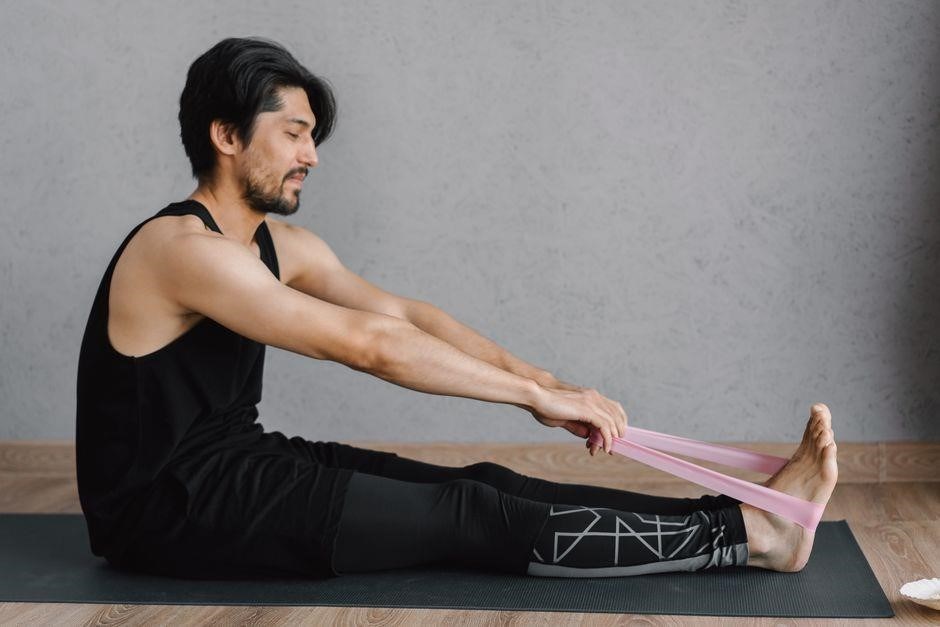
Before every session‚ inspect the band for fraying‚ cracks‚ or weakened seams; a compromised band can snap and cause injury․ Anchor the band to a solid‚ immovable structure—never to a door hinge or loose frame—so tension remains consistent․ Keep the band taut but not overstretched; excessive tension forces the spine into an unnatural curve‚ increasing lumbar strain․
Maintain a neutral spine throughout each exercise․ Avoid arching the lower back during standing knee tucks or reverse crunches; instead‚ engage the abdominal wall and keep the pelvis tucked․ When performing side planks‚ ensure the shoulder sits directly above the elbow and the hips stay level—dropping the hips pulls the lower back into a flexed position‚ negating the exercise’s benefits․ Breathing is crucial: exhale on the exertion phase and inhale on the release to keep intra‑abdominal pressure stable․
Common mistakes include using a band that is too light‚ which reduces the stimulus‚ or too heavy‚ which forces compensatory movements․ Many users ignore progressive overload; without gradually increasing resistance or reps‚ core strength gains plateau‚ and the risk of overuse injuries rises․ If you feel sharp pain in the lower back‚ chest‚ or shoulders‚ stop immediately and reassess the band placement or your technique․ Rest for 30–60 seconds between sets to allow muscle recovery and prevent fatigue‑related form breakdown․
Always warm up for at least five minutes before engaging the core with resistance bands․ A dynamic warm‑up—hip circles‚ arm swings‚ gentle torso twists—activates stabilizing muscles and improves blood flow․ After the workout‚ cool down with static stretches targeting the abdominals‚ obliques‚ and lower back to maintain flexibility and reduce soreness․ Keep the band’s ends secured to prevent slipping; use a loop or handle that fits snugly in your hands․ Perform exercises on a stable‚ even surface to ensure the core can engage without compensating for instability․
Progression and Variations
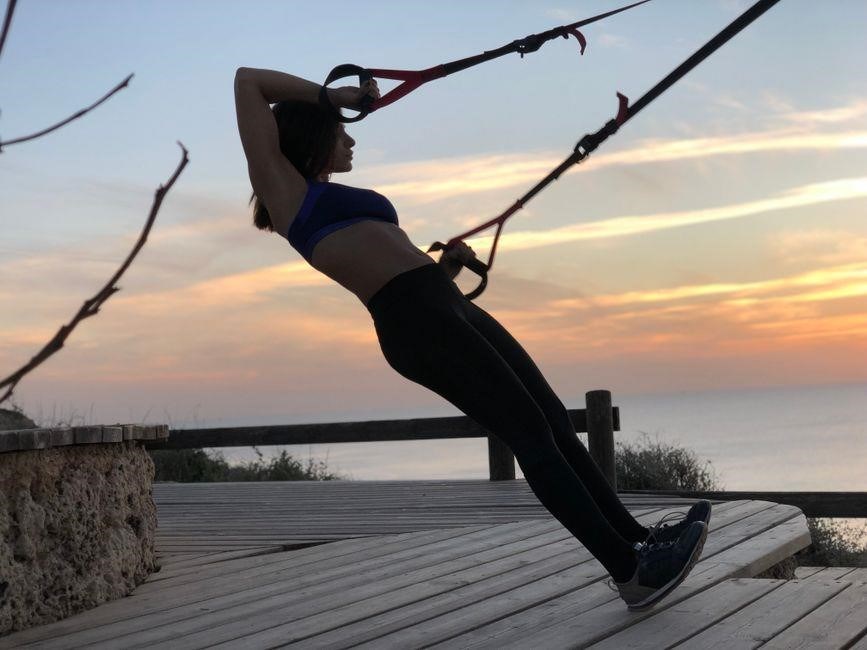
Progressing with resistance bands hinges on manipulating tension‚ tempo‚ and range of motion; Begin with a light or medium band for foundational stability‚ then switch to a heavier loop or add a second band to increase load․ For standing knee tucks‚ increase the number of repetitions or add a pause at the apex to enhance eccentric control․
In bicycle crunches‚ extend the duration of each rotation and incorporate a slow eccentric phase‚ holding the band’s tension for 2–3 seconds before returning to neutral․ Side planks benefit from a band looped around the ankles; lift the top leg higher as strength improves‚ or shift the band to the upper thigh to target the obliques more intensely․
Band‑resisted Pallof presses can be varied by changing the anchor point: perform them standing‚ kneeling‚ or from a side‑lying position to challenge the core from different angles․ For reverse crunches‚ use a thicker band or add a weighted vest to increase resistance while maintaining proper form․
Tempo variations—slow 3‑second pulls‚ 1‑second holds‚ and 3‑second releases—force the core to stabilize under prolonged tension․ Incorporate isometric holds at the peak contraction for 5–10 seconds․ Finally‚ integrate unilateral movements‚ such as single‑leg deadlifts with band resistance‚ to address imbalances and elevate core demand․
Integrating band‑driven core work into routines builds a scalable program that complements gym training․ Progressive overload and breathing forge a resilient midsection‚ supporting posture and reducing injury risk!
Accessing and Using the PDF Resources
Finding a reliable PDF guide is the first step toward a structured band‑core routine․ Search reputable sites such as the Physical Activity Resource Center‚ the National Strength and Conditioning Association‚ or university fitness portals․ Many institutions host free PDFs titled “Resistance Band Exercise Guide” or “Core Balance Resistance Band Guide․” Once located‚ click the download link—most files are in PDF format‚ ensuring compatibility across devices․
After downloading‚ open the PDF with a viewer that supports zoom and annotation․ Bookmark the sections on core exercises‚ and use the search function to locate specific moves like standing knee tucks or band‑resisted Pallof presses․ Many guides include diagrams; zoom in to read foot placement and tension cues․ If the PDF is large‚ consider printing the core section for quick reference during workouts․
When using the guide‚ treat it as a workout log․ Record the band resistance level‚ number of sets‚ and repetitions for each exercise․ Some PDFs offer printable worksheets; fill them out to track progress․ For advanced users‚ overlay the PDF on a tablet and use a stylus to mark form adjustments․ Always keep a copy of the PDF in your cloud storage for easy access on the go․
Remember to respect copyright: share only with friends or within a small group‚ and avoid distributing the PDF publicly․ By following these steps‚ you’ll harness the full potential of resistance band core training with a clear‚ evidence‑based reference at hand․
If you prefer a mobile experience‚ many PDFs are responsive; use the built‑in PDF viewer on iOS or Android to swipe through pages․ Some guides also provide video links—click the embedded URLs to see proper technique before attempting the exercise․
and Next Steps
After reviewing the PDF guide‚ you should feel equipped to integrate resistance band core work into your routine․ Begin by selecting a band that offers moderate tension—too light and you won’t challenge the muscles; too heavy and form may suffer․ Anchor the band securely‚ whether to a door‚ a sturdy pole‚ or a floor anchor‚ and follow the step‑by‑step instructions for each exercise․
Track progress by noting the resistance level‚ sets‚ and reps in a workout log․ Aim to increase either the band’s resistance or the number of repetitions gradually‚ ensuring you maintain proper alignment throughout each movement․ Consistency is key: aim for three sessions per week‚ allowing at least one rest day between sessions to permit muscle recovery․
To deepen the program‚ add variations such as single‑leg band pulls or band‑resisted side bends․ For advanced users‚ consider incorporating a timed plank with band tension or a band‑driven anti‑rotation hold․ Always keep your progress documented and revisit the PDF guide periodically to refresh technique and discover new exercises․
Keep the band tension varied by switching between light‚ medium‚ and heavy loops to target deep depths․
Finally‚ celebrate small wins and set realistic milestones․ Use the PDF as a reference guide‚ and keep a visual log of your progress․ When you hit a plateau‚ switch resistance levels or try a new exercise variation․ Stay consistent‚ stay patient‚ and let the band’s tension build a stronger‚ more resilient core that supports everyday activities and athletic performance․
Remember‚ the band’s elasticity adapts to your progress so revisit the PDF guide whenever you need inspiration or movement ideas!!!