Champion 27 Ton Log Splitter Manual: Article Plan
This detailed plan outlines a comprehensive guide for the Champion 27-ton log splitter, covering operation, maintenance, troubleshooting, and resource access for optimal performance.
The Champion 27-ton log splitter is a powerful and efficient tool designed for homeowners and professionals alike, tackling substantial wood-splitting tasks with relative ease. This manual serves as a comprehensive resource, guiding users through safe operation, routine maintenance, and effective troubleshooting. Champion’s reputation for durable, reliable equipment is reflected in this model, offering a robust solution for preparing firewood.
This splitter’s 27-ton capacity allows it to handle a wide variety of wood types and sizes, from softer woods like pine to the more challenging hardwoods such as oak and maple. Understanding its capabilities and limitations, as detailed within this guide, is crucial for maximizing its lifespan and ensuring user safety. The manual will cover everything from initial setup and hydraulic system understanding to detailed operating instructions and parts identification. Proper utilization, guided by this resource, will ensure years of dependable service.
Understanding Log Splitter Types
Log splitters broadly fall into several categories, each suited to different needs and volumes of wood processing. Manual log splitters, requiring physical force, are ideal for occasional use and smaller logs. Hydraulic log splitters, like the Champion 27-ton model, utilize hydraulic pressure for significantly increased splitting power, handling larger and tougher wood with less physical exertion. Gas-powered splitters offer portability, while electric models provide quieter operation and reduced emissions.
Within hydraulic splitters, further distinctions exist. These include the power source (gas or electric) and the orientation of the splitting mechanism. Understanding these differences is key to selecting the right tool. The Champion 27-ton model is a hydraulic splitter, offering a balance of power and convenience. This manual focuses specifically on the operation and maintenance of this type, detailing its hydraulic system and providing guidance for efficient and safe wood splitting. Choosing the correct splitter type depends on factors like wood volume, wood type, and desired portability.
Horizontal vs. Vertical Log Splitters
Log splitters are primarily configured in either horizontal or vertical orientations, each presenting distinct advantages. Horizontal splitters, like the Champion 27-ton model, require lifting and positioning logs onto the splitting beam. They generally offer greater stability and are well-suited for splitting larger, heavier logs, minimizing strain on the operator. The horizontal design often allows for processing longer lengths of wood without repositioning.
Vertical splitters, conversely, involve splitting logs directly on the ground, reducing lifting. However, they can be less stable with larger logs and may require more physical effort to control the split. The choice between horizontal and vertical depends on user preference, typical log size, and physical capabilities. The Champion 27-ton’s horizontal configuration prioritizes power and stability for efficient splitting of substantial wood volumes. Understanding these differences helps maximize productivity and safety when operating your log splitter.
Key Features of the Champion 27 Ton Model
The Champion 27-ton log splitter boasts several features designed for efficient and powerful wood processing. Its robust 27-ton splitting force effortlessly tackles challenging wood types and large diameter logs. A powerful engine delivers consistent performance, while the auto-return function streamlines operation, automatically retracting the cylinder after each split. This minimizes operator fatigue and maximizes productivity.
The unit features a durable steel beam and wedge, ensuring longevity and reliable performance. Integrated log cradles securely hold logs in place during splitting, enhancing safety and accuracy. Transport is simplified with large-diameter wheels and a convenient handle. Furthermore, the Champion 27-ton model incorporates safety features like a two-handed operation and emergency stop, prioritizing user well-being. These combined attributes make it a dependable choice for both residential and professional use.
Safety Precautions Before Operation
Prioritizing safety is paramount when operating the Champion 27-ton log splitter. Always read and understand the entire owner’s manual before use. Wear appropriate personal protective equipment (PPE), including safety glasses, work gloves, and sturdy footwear. Ensure the work area is clear of obstructions and bystanders, maintaining a safe operating distance.
Inspect the log splitter for any damage before each use, checking hydraulic lines, connections, and the splitting wedge. Never operate the machine with damaged components. Familiarize yourself with the location and operation of the emergency stop switch. Always use both hands on the controls during operation, never reaching across the splitting beam. Avoid splitting frozen or knotty wood, as it can cause kickback. Disconnect the power source when performing maintenance or adjustments. Adhering to these precautions will significantly reduce the risk of injury.
Preparing the Log Splitter for Use
Proper preparation ensures efficient and safe operation of your Champion 27-ton log splitter. Begin by positioning the splitter on a level, stable surface, away from flammable materials. Verify sufficient clearance around the machine for safe operation and log handling. Check the hydraulic fluid level, ensuring it’s within the recommended range – refer to the manual for specifics.
Inspect all moving parts for obstructions and ensure they move freely. Connect the appropriate nozzle to the hydraulic hose. Before starting, confirm the splitting wedge is securely attached and in good condition. Have a clear plan for log placement and removal to maintain a smooth workflow. Ensure adequate lighting if operating in low-light conditions. A pre-operation check minimizes downtime and maximizes productivity, contributing to a safer splitting experience.
Connecting to a Power Source
The Champion 27-ton log splitter typically requires a 120V, 15-amp grounded electrical outlet. Before connecting, ensure the outlet is properly grounded and protected by a circuit breaker or fuse of the correct amperage. Use a heavy-duty extension cord if necessary, ensuring it’s rated for outdoor use and capable of handling the splitter’s power draw. Avoid using damaged or frayed cords.
Inspect the power cord for any signs of wear or damage before each use. Plug the splitter directly into the outlet; avoid using adapters or multiple extension cords. Confirm the power switch is in the “OFF” position before plugging in. Once connected, test the operation by briefly activating the splitting cycle. Always disconnect the power cord when performing maintenance or when the splitter is not in use, prioritizing safety and preventing accidental activation.
Hydraulic System Overview
The Champion 27-ton log splitter utilizes a hydraulic system to generate the force needed for splitting wood. This system consists of a hydraulic pump, a reservoir for hydraulic fluid, a cylinder, and various hoses and valves. The pump, driven by the engine, draws fluid from the reservoir and pressurizes it.
This pressurized fluid is then directed to the cylinder, extending the ram and applying force to the log. Control valves regulate the flow of fluid, allowing for operation of the splitting cycle. The system’s efficiency relies on maintaining the correct fluid level and ensuring all components are free from leaks. Regular inspection of hoses, fittings, and the cylinder is crucial for safe and effective operation. Understanding this system aids in troubleshooting and proper maintenance.
Understanding the Hydraulic Fluid
The hydraulic fluid is the lifeblood of your Champion 27-ton log splitter, transferring power and lubricating moving parts. It’s crucial to use the correct type of fluid, typically a hydraulic oil with a viscosity recommended in the owner’s manual – often ISO 46. Using incorrect fluid can damage the pump and other components, voiding the warranty.
Hydraulic fluid performs several vital functions: transmitting force, reducing friction, cooling the system, and preventing corrosion. Over time, fluid can become contaminated with dirt, metal particles, and moisture, reducing its effectiveness. Regularly checking the fluid level and condition is essential. Discolored or contaminated fluid should be replaced promptly. Proper fluid maintenance ensures optimal performance and extends the lifespan of your log splitter’s hydraulic system.
Operating the Log Splitter: Step-by-Step Guide
Before starting, ensure the work area is clear and level. Connect the log splitter to a suitable power source, following the instructions in the ‘Connecting to a Power Source’ section. Always wear appropriate safety gear, including eye protection and gloves. Start the engine and allow it to warm up briefly.
Position the log securely on the splitter bed. Engage the splitting beam, ensuring it’s aligned with the grain of the wood. Activate the splitting cycle using the control lever. Allow the beam to fully extend and split the log. Return the beam to the starting position and remove the split wood. Repeat this process for each log, selecting appropriate splitting techniques based on wood type and size. Never attempt to split logs larger than the splitter’s capacity.
Log Selection and Preparation
Prior to operation, carefully select logs suitable for splitting with the Champion 27-ton model. Avoid logs with excessive knots, twists, or rot, as these can be unpredictable and potentially dangerous. Inspect each log for foreign objects like nails or metal, which could damage the splitter. Logs should be within the recommended diameter range specified in the manual – exceeding this limit risks damage and injury.
Prepare logs by removing any dirt or debris. Consider pre-splitting larger diameter logs with an axe to reduce the strain on the machine. For hardwoods, splitting while the wood is still somewhat green is generally easier. Ensure logs are of manageable length for safe handling and efficient splitting. Always prioritize safety and select logs in good condition for optimal results and to prevent potential hazards.
Splitting Techniques for Different Wood Types
The Champion 27-ton splitter excels with varied wood types, but technique adjustments are crucial. For softwood like pine or fir, a faster cycle speed and less force are typically sufficient. Position the log centrally on the splitting wedge and utilize the full stroke for clean splits. Hardwoods, such as oak or maple, demand a slower approach and potentially multiple passes.
With knotty or twisted hardwoods, aim to split along the natural grain whenever possible. Rotating the log can reveal easier splitting planes. Avoid forcing the ram against stubborn knots; instead, reposition and attempt a different angle. For ringed woods, splitting from the outside towards the center often proves more effective. Always prioritize safety and never reach across the splitting beam during operation. Consistent technique maximizes efficiency and minimizes strain on the machine.
Troubleshooting Common Issues
Addressing issues promptly ensures continued operation of your Champion 27-ton log splitter. Low pressure/power often stems from insufficient hydraulic fluid, a clogged filter, or a failing pump – check fluid levels and filter cleanliness first. Hydraulic fluid leaks require immediate attention; inspect hoses, fittings, and the pump for visible leaks and tighten or replace components as needed.
Engine starting difficulties can be caused by stale fuel, a dirty air filter, or a faulty spark plug. Ensure fresh fuel is used, the air filter is clean, and the spark plug is in good condition. If the ram isn’t extending fully, air may be in the hydraulic system; cycle the ram repeatedly to bleed the air. Always disconnect the spark plug before performing any maintenance. Refer to the manual for detailed diagrams and safety procedures before attempting repairs.
Low Pressure/Power Problems
Reduced splitting force indicates a potential hydraulic system issue. First, verify sufficient hydraulic fluid levels – low fluid is a common culprit. Inspect the hydraulic filter; a clogged filter restricts flow and lowers pressure. Replace it if dirty. Check for leaks in hoses, connections, and around the pump and cylinder. Even small leaks diminish performance.
A failing hydraulic pump can also cause low pressure. Listen for unusual noises during operation. Air in the system can compress, reducing effective power; cycle the ram repeatedly to purge air. Ensure the relief valve isn’t malfunctioning, allowing pressure to bypass. If problems persist, consult a qualified mechanic. Always disconnect the spark plug before inspecting the hydraulic system to prevent accidental startup.
Hydraulic Fluid Leaks
Hydraulic fluid leaks reduce efficiency and pose environmental concerns. Begin by carefully inspecting all hydraulic hoses for cracks, abrasions, or loose connections. Tighten fittings as needed, but avoid over-tightening. Check around the pump, cylinder, and valve block for visible leaks. Replace damaged hoses immediately; do not attempt repairs with tape or sealant.
Inspect the cylinder seals for wear or damage – leaks around the cylinder often indicate seal failure. Examine the hose connections at both ends for proper seating and secure clamping. Ensure the hydraulic fluid reservoir cap is tightly sealed to prevent spills. Clean up any spilled fluid immediately, as it’s slippery and harmful to the environment. Regularly monitor fluid levels to detect leaks early. Always disconnect the spark plug before inspecting the hydraulic system.
Engine Starting Difficulties
Troubleshooting engine starting issues requires a systematic approach. First, ensure the fuel tank contains fresh gasoline and the fuel shut-off valve is open. Check the spark plug for fouling or damage; clean or replace as necessary. Verify the air filter is clean, allowing adequate airflow to the engine. A clogged air filter restricts combustion.
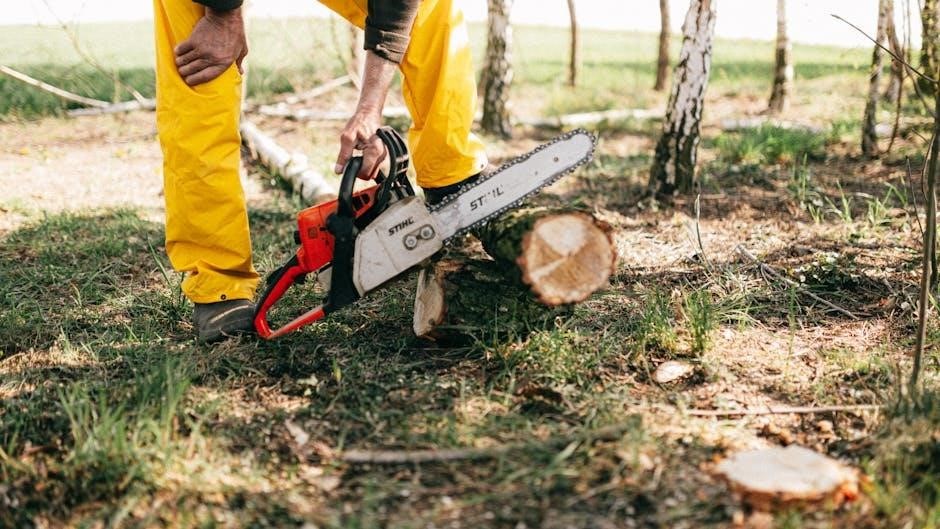
Inspect the recoil starter mechanism for proper function; a damaged starter rope or pulley can prevent starting. Confirm the engine oil level is correct – low oil can cause starting problems. If the engine cranks but doesn’t start, suspect a carburetor issue; professional cleaning may be required. Always disconnect the spark plug wire before performing any maintenance. Cold weather can also exacerbate starting difficulties; consider using a fuel stabilizer.
Regular Maintenance Schedule
Consistent maintenance extends the lifespan and optimizes performance of your Champion 27-ton log splitter. After every 50 hours of operation, or annually, check and replace the hydraulic fluid, ensuring the correct type is used. Inspect all hydraulic hoses and fittings for leaks or damage, replacing them promptly if found. Lubricate all moving parts – including the ram, hinges, and pivot points – with high-quality grease.
Every 100 hours, or annually, clean or replace the air filter to maintain optimal engine performance. Inspect the spark plug and replace it if necessary. Check the engine oil level and add oil as needed. Before storage, perform a complete inspection and address any identified issues. Keep the machine clean of debris to prevent corrosion and ensure safe operation. Following this schedule minimizes downtime and maximizes efficiency.
Checking and Replacing Hydraulic Fluid
Maintaining proper hydraulic fluid levels and quality is crucial for optimal log splitting performance. Check the fluid level using the dipstick located near the hydraulic reservoir, ensuring it falls within the designated “full” range. Inspect the fluid’s color and consistency; it should be clear and free of contaminants. Dark or cloudy fluid indicates contamination and necessitates a change.
To replace the fluid, first, run the splitter briefly to warm the oil, aiding flow. Position a drain pan beneath the drain plug and carefully remove the plug, allowing the old fluid to drain completely. Replace the drain plug and then slowly fill the reservoir with the recommended hydraulic fluid type – typically ISO 46 hydraulic oil. Check the level again after filling and top off as needed. Proper disposal of used hydraulic fluid is essential for environmental protection.
Lubrication of Moving Parts
Regular lubrication extends the lifespan and ensures smooth operation of your Champion 27-ton log splitter. Focus on key moving components, including the wedge, the ram, and all pivot points. Use a high-quality lithium-based grease specifically designed for heavy-duty equipment. Apply grease to the wedge after each use, or at least before each splitting session, to reduce friction and prevent binding.
Grease the ram by utilizing the grease fitting located on the ram cylinder. Periodically lubricate all pivot points with grease, ensuring full range of motion. Inspect the grease fittings for damage or blockage and replace if necessary. Avoid over-greasing, as excess grease can attract dirt and debris. Wipe away any excess grease after application. Consistent lubrication minimizes wear and tear, contributing to the longevity and efficiency of your log splitter.
Storing the Log Splitter Properly
Proper storage safeguards your Champion 27-ton log splitter from the elements and ensures its readiness for the next splitting season. Ideally, store the unit in a dry, covered area, such as a shed or garage, to prevent rust and corrosion. Before long-term storage, thoroughly clean the log splitter, removing any wood debris or accumulated dirt. Inspect all components for wear or damage and address any issues before storing.
Disconnect the spark plug wire to prevent accidental starting. Drain the fuel tank completely or add a fuel stabilizer to prevent fuel degradation. Cover the log splitter with a tarp or protective cover to shield it from dust and moisture. Store it on a level surface to prevent hydraulic fluid leaks. Keep the owner’s manual readily accessible for future reference. Secure the unit to prevent tipping or movement during storage, ensuring a safe and protected environment.
Winterization Procedures
Preparing your Champion 27-ton log splitter for winter storage is crucial for maintaining its longevity and ensuring reliable performance next season. Begin by completely draining the fuel tank and carburetor to prevent fuel-related issues caused by cold temperatures. Add fuel stabilizer if complete draining isn’t possible, running the engine briefly to circulate it.
Check and replace the hydraulic fluid, as moisture buildup can lead to corrosion. Disconnect the spark plug wire for safety. Apply a corrosion inhibitor to exposed metal surfaces. Clean the log splitter thoroughly, removing any wood debris or dirt. Store the unit indoors, in a dry and covered location, protected from snow and ice. Cover it with a tarp for added protection. Inspect the unit before storage and address any needed repairs. Consult the owner’s manual for specific winterization recommendations tailored to your model.
Champion Parts Manual and Resources
Locating replacement parts for your Champion 27-ton log splitter is simplified through several readily available resources. Champion’s official website provides a comprehensive parts catalog, searchable by model number. Authorized Champion dealers also stock a wide range of parts and can offer expert assistance. Online parts retailers specializing in outdoor power equipment frequently carry Champion components.
When ordering parts, always have your model number and the part number readily available to ensure compatibility. The Champion owner’s manual includes exploded diagrams illustrating part locations and identifying numbers. For warranty claims, contact Champion customer support directly. Numerous online forums and communities dedicated to log splitters can provide valuable insights and part sourcing tips. Remember to prioritize genuine Champion parts to maintain the integrity and performance of your log splitter. Proper part identification is key to successful repairs.
Finding Replacement Parts
Securing replacement parts for your Champion 27-ton log splitter involves several convenient avenues. Champion’s website features a detailed parts finder, allowing searches by model and component. Authorized Champion service centers maintain extensive inventories and offer professional guidance. Numerous online retailers, specializing in power equipment parts, stock Champion components, often at competitive prices.
Before purchasing, verify the part number against your owner’s manual or the existing component. Exploded views within the manual aid in accurate identification. Consider the part’s quality; genuine Champion parts ensure optimal performance and longevity. Compare prices across different vendors to secure the best deal. Check shipping costs and return policies before finalizing your order. Keep a record of your purchases for warranty purposes. Prompt replacement of worn or damaged parts is crucial for safe and efficient operation. Don’t hesitate to consult Champion’s support team for assistance.
Warranty Information and Support
Champion offers a limited warranty on its 27-ton log splitter, typically covering manufacturing defects for a specified period – consult your owner’s manual for exact terms. Warranty coverage generally excludes wear items and damage resulting from misuse or improper maintenance. Registering your product online promptly after purchase is crucial for warranty validation.
Champion’s customer support is accessible through multiple channels: a dedicated help center on their website, a toll-free phone number, and email support. Online resources include FAQs, troubleshooting guides, and downloadable manuals. Authorized service centers provide professional repair services. Keep your purchase receipt and warranty documentation readily available when contacting support. Clearly describe the issue and provide the model and serial number. Be prepared to provide proof of purchase. Champion’s support team is committed to resolving issues efficiently and ensuring customer satisfaction. Review the warranty for specific claim procedures.
Champion Log Splitter Model Variations
Champion offers a range of log splitter models, differing in tonnage, engine specifications, and features. While this guide focuses on the 27-ton model, understanding variations is helpful; Smaller models (e.g., 7-ton, 13-ton) are suitable for lighter workloads and smaller diameter logs, often being more portable. Larger models (e.g., 37-ton) tackle tougher wood and higher volumes.
Engine options vary, including gasoline and electric powered units. Gasoline engines provide greater power and independence, while electric models offer quieter operation and reduced emissions. Features like auto-return, two-handed operation, and log cradles also differentiate models. Horizontal vs. vertical configurations impact ergonomics and splitting speed. Always refer to the specific manual for your model, as procedures and safety precautions can vary. Champion continually updates its lineup, so checking their website for the latest offerings is recommended. Consider your typical wood-splitting needs when selecting a model.